Matt Vaughan | October 23, 2026
October 23, 2026
Water features can transform an ordinary backyard into a peaceful retreat, adding movement, soothing sounds, and visual interest to an outdoor environment. From cascading waterfalls to naturalistic streams and decorative ponds, these additions create focal points that complement various property styles. However, misconceptions about their cost, maintenance, and practicality can discourage homeowners from considering them.
Understanding how these landscaping features work helps property owners make informed decisions. With thoughtful planning and professional installation, water features can provide lasting enjoyment without unnecessary complications.
Myth 1: Water Features Require Too Much Maintenance
Understanding the Maintenance Requirements
One common misconception is that water features demand constant attention to remain attractive and functional. Although every installation requires some care, maintenance needs depend on the design, size, circulation system, and surrounding environment. A professionally designed feature can incorporate practical elements that simplify upkeep, allowing homeowners to enjoy moving water without spending excessive time on maintenance.
For example, a pond with aquatic plants and fish requires different care than a simple recirculating waterfall. Ponds may need periodic debris removal, water quality monitoring, and filtration maintenance. Pondless waterfalls offer an alternative for homeowners who prefer flowing water without maintaining an open pond.
Choosing a Low-Maintenance Design
Homeowners seeking manageable upkeep should consider their available time before selecting a design. Pondless waterfalls are particularly appealing because water flows over rocks into a concealed reservoir, where it recirculates through the system. Without a traditional pond surface, these installations generally require less maintenance than elaborate aquatic environments.
Thoughtful landscaping around a water feature can also reduce upkeep. Strategic stone placement, appropriate plant selection, and careful consideration of nearby trees can limit debris accumulation. Durable materials and proper water circulation further support efficient operation. These choices help create an attractive feature that fits comfortably into a homeowner's routine.
Establishing a Simple Care Routine
Even low-maintenance water features benefit from periodic inspections. Removing leaves, checking water levels, and examining pumps for wear can help keep the system operating properly. Seasonal attention may also be necessary, depending on local weather conditions and the installation type. Ponds may require additional care to support fish, aquatic plants, and healthy water conditions.
Professional landscaping guidance can help establish an appropriate maintenance schedule. Rather than assuming every installation requires intensive upkeep, homeowners should evaluate their preferred feature's specific needs. Suitable design choices and consistent care make water features practical additions to many outdoor spaces.
Myth 2: Water Features Are Too Expensive for the Average Homeowner
Understanding the Factors That Influence Cost
Another common myth is that adding a water feature requires a substantial budget. Although elaborate ponds and large waterfalls can represent significant investments, smaller installations offer more accessible alternatives. Costs depend on the feature's dimensions, materials, excavation requirements, equipment, and construction complexity. Understanding these variables helps homeowners choose options that match their financial priorities.
The market reflects growing interest in outdoor water features. According to The Freedonia Group, the landscaping water features market was estimated to reach $1 billion in 2025, as new construction and outdoor living trends continued to drive demand. However, the appropriate investment for an individual property depends on the homeowner's goals and available resources.
Starting With a Manageable Project
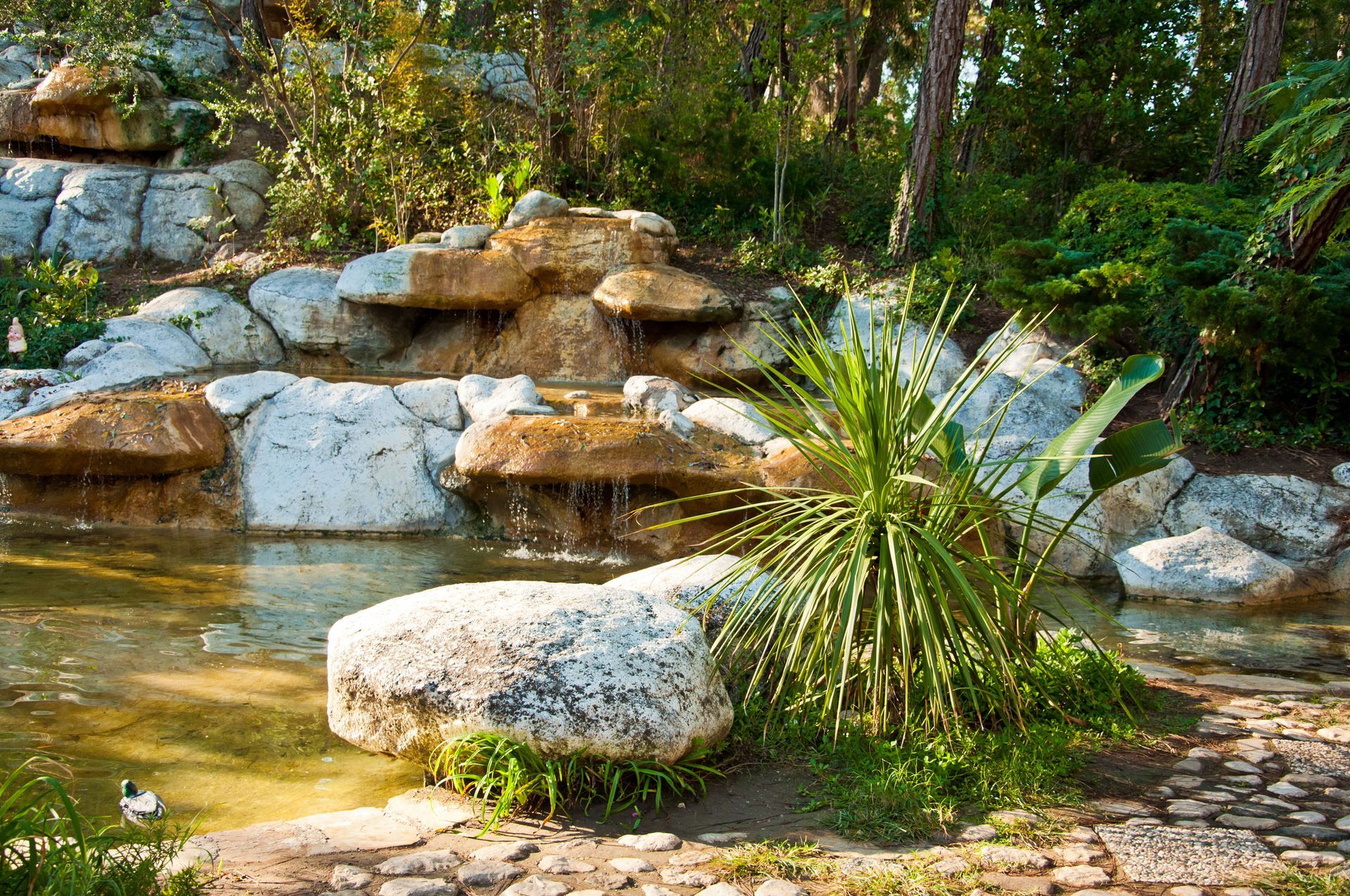
Homeowners do not need to transform their entire backyard at once. Starting with a modest installation can provide an attractive focal point while leaving room for future improvements. A small waterfall surrounded by natural stones, for instance, creates a relaxing atmosphere without requiring the footprint of a large pond.
Working with the existing yard can also help control expenses. Incorporating natural slopes, retaining suitable existing features, and selecting materials that complement nearby patios or garden beds may reduce the need for extensive changes. A qualified designer can recommend practical options based on the property's conditions. Requesting a detailed estimate before construction helps homeowners understand the project's scope and anticipated costs.
Considering Long-Term Value
Installation costs are only one part of the decision. A well-designed landscaping water feature can improve curb appeal, create a welcoming atmosphere, and make outdoor living areas more enjoyable. Moving water may soften unwanted neighborhood noise, while ponds can attract birds and butterflies when conditions support local wildlife.
Homeowners should also consider ongoing expenses, including pump electricity, occasional repairs, and routine cleaning. Appropriately sized equipment and durable construction materials can help manage these costs over time. Comparing initial pricing, expected upkeep, and intended use provides a clearer picture of the investment's overall value.
Myth 3: Water Features Don't Suit Every Yard
Working With Different Property Layouts
Some homeowners assume their yards are too small, uneven, or otherwise unsuitable for water features. In reality, these installations can accommodate many property layouts when designers consider available space, elevation, drainage, and surrounding structures. A spacious backyard might accommodate a pond and winding stream, while a compact area could benefit from a small recirculating waterfall.
The key is selecting a feature that complements the property's characteristics. A sloped yard may provide an opportunity for a cascading waterfall, while flatter ground could accommodate a pond or decorative rock feature. Considering views from windows, patios, and seating areas helps determine where moving water will have the greatest visual impact.
Effective landscaping considers functionality alongside appearance. Designers must evaluate foot traffic, drainage, and how the feature relates to existing plants, walkways, and outdoor structures. Careful planning helps to naturally integrate the installation rather than adding it as an afterthought.
Exploring Different Types of Water Features
Different designs make it easier to find an option that matches a property's size and style. Traditional ponds provide focal points, with aquatic plants and decorative stones adding natural character. Pondless waterfalls deliver the sound of running water without an open pond, while streams can connect separate garden areas or stand out as distinctive landscape elements.
Material selection also influences how well a feature complements its surroundings. Natural stones and boulders can help waterfalls blend into gardens, while carefully positioned plants soften the transition between the structure and surrounding ground. Scale matters, too. Compact designs suit smaller yards, whereas broader cascades may complement spacious entertainment areas.
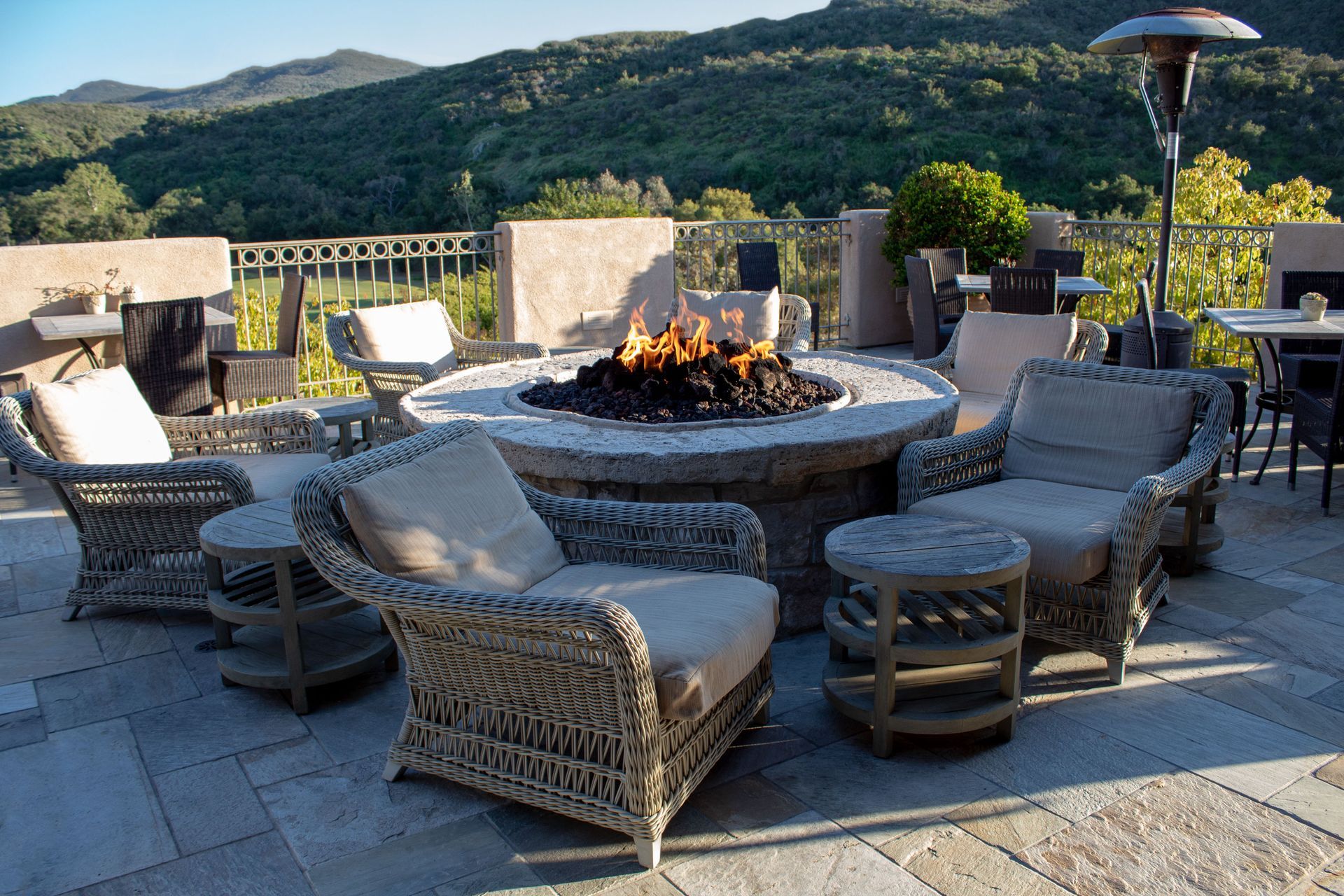
Homeowners should consider how they intend to use their outdoor spaces. Families may prefer concealed reservoirs without open pond surfaces, while gardening enthusiasts may enjoy maintaining aquatic plants. Those who entertain guests might prioritize a feature near an outdoor seating area. Matching the design to these preferences creates a cohesive environment.
Prioritizing Professional Planning and Installation
A water feature's appearance is only one measure of its success. Proper construction helps maintain water circulation, control runoff, and support structural stability. Poorly planned installations may experience water loss, erosion, uneven settling, or drainage problems that affect nearby areas.
An experienced contractor can assess the proposed location, recommend suitable materials, and develop a design that complements the yard. Properly positioned reservoirs, dependable pumps, and carefully arranged stonework contribute to reliable operation. Written agreements and clear project details also help homeowners understand the work involved and any applicable warranties.
Local weather conditions deserve attention during planning. Homeowners should discuss how their water feature will handle heavy rainfall, freezing temperatures, and prolonged heat. Addressing these considerations early helps establish realistic expectations and supports long-term performance.
Landscaping water features are not necessarily difficult to maintain, prohibitively expensive, or unsuitable for smaller yards. Their practicality depends on choosing an appropriate design, understanding costs, and ensuring the installation suits the property's conditions. From pondless waterfalls to elaborate ponds and naturalistic streams, numerous options accommodate different budgets and preferences.
By looking beyond common misconceptions and prioritizing thoughtful planning, homeowners can create inviting outdoor spaces that encourage relaxation and enhance everyday enjoyment. A well-designed water feature can become a lasting focal point that brings movement, natural beauty, and tranquility to the backyard. Contact A Superior Design Co today for a free estimate, and let us help you create a beautiful water feature that complements your outdoor space.