Matt Vaughan | September 23, 2026
September 23, 2026
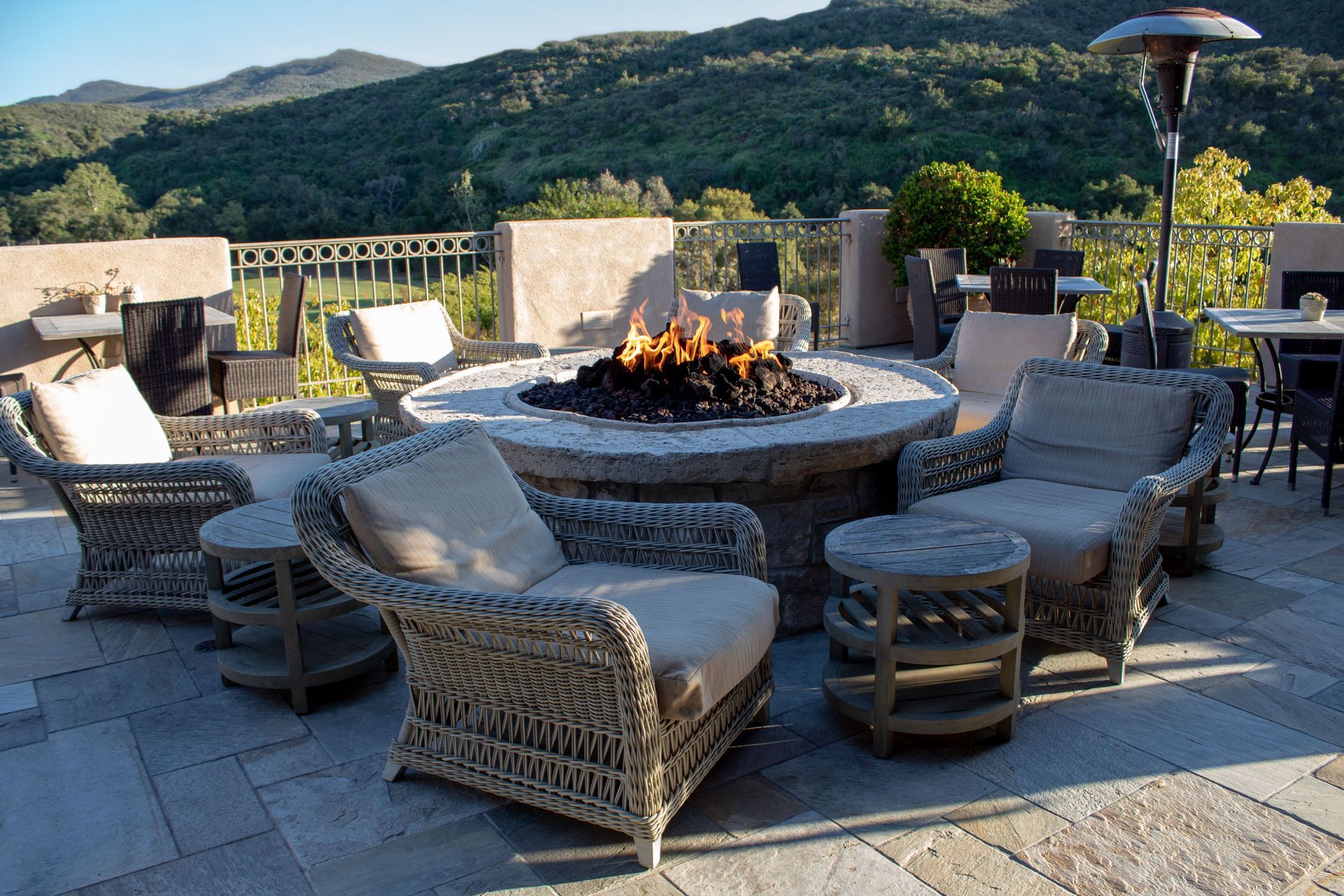
Outdoor fireplaces and fire pits provide a welcoming place for homeowners to gather, relax, and enjoy time outside. Whether the feature is built into a patio or placed in a landscaped area, proper safety practices help reduce the risk of accidents. Fire can spread quickly when flames come into contact with dry vegetation, furniture, or other combustible materials. Understanding how to prepare the space and use the feature responsibly can help protect people and property. A well-planned outdoor living area should include appropriate clearance, stable surfaces, and safe fuel storage. A Superior Design Co can help homeowners consider safety as part of their outdoor living plans. These practical tips can help households enjoy their fire features while making responsible decisions about outdoor fire safety.
1. Choosing a Safe Location
The location of a fire feature plays an important role in preventing accidental fires. Homeowners should choose a level, stable area away from structures, fences, and combustible landscaping. The surrounding space should provide enough room for people to move safely around the flames. An outdoor fireplace should also be positioned according to local regulations and manufacturer requirements. Overhead branches, wooden pergolas, and other combustible materials can create additional hazards. According to This Old House, a fire pit should have at least 21 feet of clearance above the pit to help prevent tree branches from catching fire. Homeowners should evaluate the area carefully before installing or using a fire feature. A professional outdoor living designer can help identify potential placement concerns during the planning process.
2. Maintaining Safe Clearance
Proper clearance helps reduce the chance that heat or sparks will ignite nearby materials. Fire features should be placed away from furniture, stored firewood, curtains, and other combustible items. Homeowners should also keep children and pets at a safe distance from the flames. The required clearance depends on the type of feature, its fuel source, and applicable safety requirements. An outdoor fireplace may require different spacing than a portable fire pit or gas fire table. Manufacturer instructions should be reviewed before installation and use. The surrounding area should remain free of clutter that could become a fire hazard. Maintaining appropriate clearance supports a safer outdoor environment for everyone using the space.
3. Selecting a Stable Surface
A stable surface helps keep a fire feature secure during normal use. Fire pits and fireplaces should be installed on a surface that can support their weight and withstand the heat they produce. Uneven ground may create a tipping hazard for portable units. Combustible materials such as untreated wood or certain outdoor rugs may not be suitable beneath a fire feature. Homeowners should consider the surface material and its ability to tolerate heat before installation. A Superior Design Co can help homeowners plan outdoor spaces with appropriate materials and layouts. The area around the fire feature should also provide enough room for safe movement. A properly prepared surface can help reduce the risk of instability and accidental damage.
4. Inspecting the Fire Feature
Regular inspections can help homeowners identify conditions that may affect safe operation. Cracks, loose components, damaged screens, and other visible problems should be addressed before the feature is used. Gas-powered units should be checked for signs of damaged hoses or connections. Wood-burning fireplaces should be inspected for buildup, deterioration, or other concerns that may affect their use. Homeowners should follow the manufacturer's instructions for maintenance and inspection. An outdoor fireplace that has been exposed to harsh weather may require additional attention before the next use. Professional service may be appropriate when repairs involve gas connections or structural components. Inspecting the feature regularly can help identify problems before they become more serious.
5. Using the Correct Fuel
The fuel used in a fire feature should match the manufacturer's specifications. Wood-burning fireplaces and fire pits should use appropriate firewood rather than household trash or materials that produce unsafe fumes. Gas-powered features should only be operated with the fuel type for which they were designed. Homeowners should avoid using gasoline, lighter fluid, or other unapproved accelerants to start a fire. These substances can ignite unexpectedly and create dangerous conditions. Firewood should be stored away from the flames and protected from excessive moisture when appropriate. Following fuel guidelines helps support predictable operation and reduces the chance of an uncontrolled fire. Homeowners should consult the product instructions when they are uncertain about which fuel is suitable.
6. Supervising Children and Pets
Children and pets may not recognize the dangers associated with an active fire feature. Homeowners should establish clear boundaries around the area and supervise children whenever flames are present. Pets should also be kept away from hot surfaces, sparks, and fuel storage areas. Furniture should be arranged so that people can move safely without getting too close to the fire. An outdoor fireplace can become especially hazardous when children are playing nearby or when adults are distracted. Fire tools and other equipment should be stored out of reach of young children. Adults should explain basic fire safety rules before allowing children to spend time in the outdoor living area. Consistent supervision helps reduce the chance of accidental contact with hot surfaces or open flames.
7. Preparing for Changing Weather
Weather conditions can affect how safely a fire feature can be used. Strong winds may carry sparks toward nearby vegetation, structures, or other combustible materials. Dry conditions can also increase the risk of fire spreading beyond the intended area. Homeowners should check the weather before lighting a fire and avoid using the feature when conditions are unsafe. Rain may create slippery surfaces around the fire area or affect the condition of certain components. An outdoor fireplace should not be used during severe weather or when manufacturer instructions advise against operation. Firewood, gas equipment, and other materials should be stored in a suitable location between uses. Considering weather conditions helps homeowners make safer decisions about when to enjoy their outdoor fire feature.
8. Keeping Fire Safety Equipment Nearby
Having appropriate safety equipment nearby can help homeowners respond to small problems more quickly. A garden hose, bucket of water, or fire extinguisher may be useful depending on the type of fire feature and local recommendations. The equipment should be accessible without requiring anyone to move through the flames or reach across hot surfaces. Homeowners should understand how to use their fire extinguisher before an emergency occurs. Fire blankets or other safety equipment may also be appropriate for certain outdoor setups. Children should not be responsible for operating fire safety equipment. A Superior Design Co can help homeowners consider practical safety features when planning an outdoor living space. Preparing the area with appropriate equipment supports a safer experience for everyone.
9. Extinguishing the Fire Properly
A fire should never be left unattended while it is still burning. Homeowners should follow the manufacturer's instructions for extinguishing their specific fire feature. Wood-burning fires should be allowed to burn down safely, and appropriate extinguishing methods should be used to ensure that embers are no longer active. Gas-powered features should be turned off according to the operating instructions. Hot ashes and embers can remain dangerous even after visible flames have disappeared. Homeowners should avoid leaving the area until the fire has been properly extinguished. The surrounding area should also be checked for stray sparks or materials that may have become hot. Proper extinguishing practices help reduce the risk of accidental fires after use.
Outdoor fireplaces and fire pits can make outdoor living spaces more comfortable and inviting when they are planned and used responsibly. Choosing a safe location, maintaining proper clearance, inspecting components, and preparing for changing weather are important parts of fire safety. Homeowners should also consider fuel requirements, supervision, and proper extinguishing practices before using a fire feature. A Superior Design Co can help homeowners explore outdoor living designs that consider both functionality and safety. Contact us today to discuss an outdoor living project and learn how thoughtful design can support a comfortable and safe space for family and guests.