Retaining walls play a crucial role in landscaping and structural engineering, providing both functional and aesthetic benefits. When property owners invest in professional retaining wall services, these structures become essential tools for preventing soil erosion, managing land elevation, and creating level spaces on steep terrains. Beyond their structural importance, quality retaining wall services can enhance the appearance of outdoor spaces, adding elements of design and sophistication. As we delve deeper, we will explore the types, benefits, materials, construction methods, regulations, and maintenance aspects of retaining walls. Whether you're a property owner or an aspiring landscape designer, understanding these structures can transform your approach to land management.
The increasing demands of urban expansion necessitate the effective use of available land, and expert retaining wall services are a pivotal part of this developmental strategy. It's essential to understand that retaining walls are not merely aesthetic enhancements but vital solutions to control and redirect natural forces. By providing support and stability to soil masses, professional retaining wall services prevent landslides and minimize risk in both residential and commercial settings. The importance of these structures is underscored by their historical use, dating back to ancient civilizations that harnessed their benefits for agriculture and settlement construction. Today, technological advancements in modern retaining wall services have expanded the possibilities, allowing for diverse design and material options that cater to various needs.
To fully appreciate the importance of retaining walls, one must recognize their role in sustainable development and landscape architecture. Relying on specialized retaining wall services provides a foundation for green infrastructure, which is increasingly acknowledged as a key component in urban planning and environmental conservation. By optimizing land use and controlling soil displacement, tailored retaining wall services contribute to the creation of functional and beautiful outdoor environments. As we proceed, we will examine the intricate aspects of retaining walls, offering insights into their construction and maintenance to ensure longevity and safety.
Types of Retaining Walls
Gravity Retaining Walls
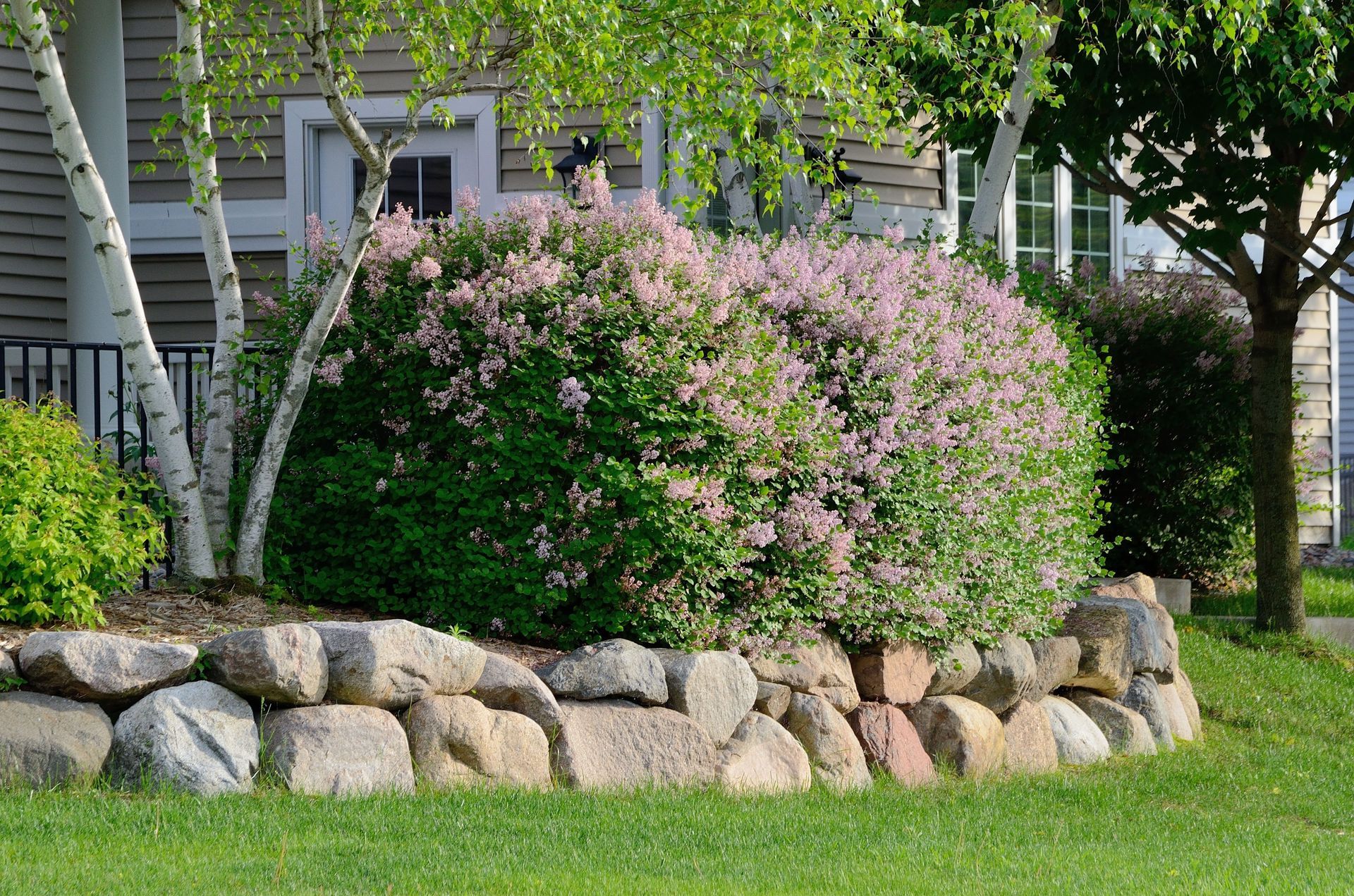
Gravity retaining walls resist the lateral pressure of soil by utilizing their mass. Typically constructed from heavy materials like concrete, stone, or brick, these walls are effective at supporting areas with moderate height differences. The sheer weight of the wall provides stability, relying less on additional reinforcement, making them suitable for shorter walls. With a design that tapers toward the base, gravity walls maintain their balance by leveraging their weight against the forces trying to topple them. Such walls are both functional and aesthetically pleasing, blending naturally into landscapes with minimal maintenance requirements.
The simplicity of gravity retaining walls lies in their construction process, which generally involves stacking blocks or stones on a solid foundation. Despite their straightforward design, careful planning, site analysis, and specialized retaining wall services are necessary for successful implementation. Quality construction materials ensure longevity, and when coupled with a well-compacted base, the risk of failure is minimized. As they primarily rely on their weight, these walls may not be suitable for all scenarios, especially those requiring support for taller structures or unstable soil conditions. Consultation with a structural engineer and hiring experienced retaining wall services is advisable for projects with varying complexity and site-specific challenges.
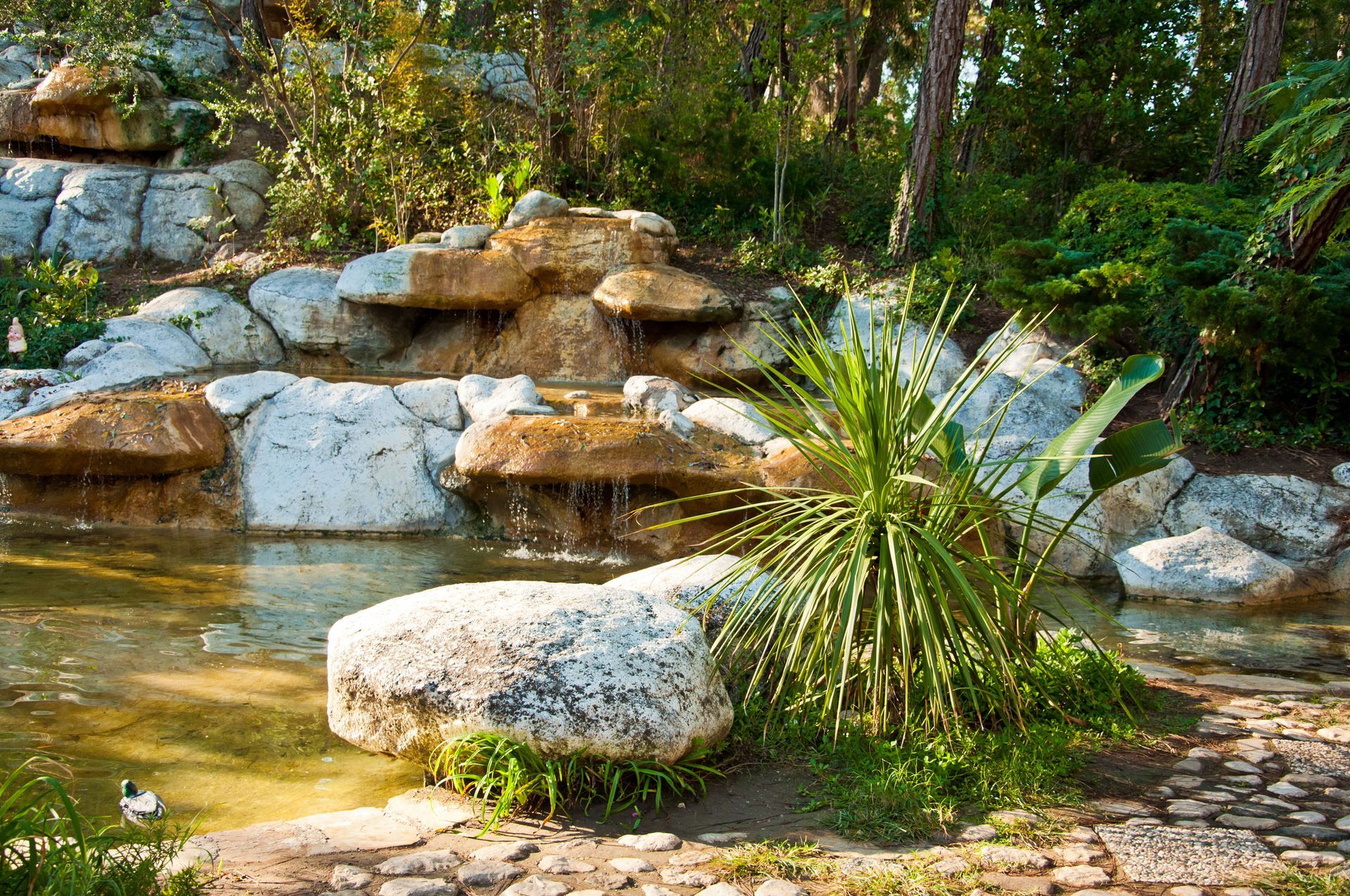
In many cases, gravity walls are ideal for residential landscaping projects, offering both form and function. Their versatility allows for creative design approaches, enhancing garden paths, terraces, and even water features. While they are relatively easy to install, maintaining proper drainage is essential to prevent water accumulation behind the wall. This water pressure could compromise the wall's integrity over time if not adequately managed. Standard retaining wall services ensure a well-designed drainage system so that the structure remains stable while maintaining its visual appeal throughout the seasons.
Cantilever Retaining Walls
Cantilever retaining walls utilize a structural system that features a reinforced concrete stem and base, acting together to resist lateral soil pressure. Distinguished by their L or T-shaped cross-section, these walls efficiently transfer force from the wall to the foundation. The unique design allows them to support greater heights compared to gravity walls, making them ideal for projects needing more significant load-bearing capacity. Typically, cantilever walls require less material at and above the wall surface, which reduces costs while providing effective support. Their engineering demands precision to ensure that the wall functions as intended without risking structural failure.
The construction of cantilever retaining walls involves meticulous site preparation and layering of support materials. This type of wall typically uses reinforced concrete for both strength and flexibility, adjusting to various soil conditions and load requirements. A properly constructed cantilever wall minimizes land usage in narrow spaces while providing the necessary support for heavy loads. However, these walls necessitate professional expertise and equipment during installation due to their complex design and potential risk factors. For walls exceeding four feet in height, it's crucial to engage professional retaining wall services, consult a structural engineer, and obtain municipal building permits as per regulations, according to This Old House.
Cantilever walls are widely used in commercial developments and large residential projects where aesthetics and functionality must coexist. Their streamlined design can be easily incorporated into existing landscapes, offering opportunities to develop creative visual features like planting beds or pedestrian pathways. Despite their durable construction, proper drainage behind the wall is crucial to prevent hydrostatic pressure buildup. This precaution ensures the long-term stability of the structure, minimizing repair needs and prolonging service life. Consistent maintenance, including routine inspections from reliable retaining wall services, will further solidify the wall's effectiveness and stability over time.
Benefits of Retaining Walls
Erosion Control
Retaining walls are instrumental in controlling soil erosion, especially on sloped terrains or areas with loose soil. By holding back soil and stabilizing the ground, these walls prevent the displacement of earth caused by wind, water, and other environmental factors. This stabilization is crucial in areas prone to heavy rainfall or rapid water runoff, where uncontrolled erosion can lead to significant property damage and loss of arable land. By managing erosion, retaining walls help preserve landscapes, protecting both natural environments and built structures. These walls mitigate sedimentation in waterways, contributing to environmental conservation and water quality improvement.
The effectiveness of retaining walls in controlling erosion extends to their ability to redefine water flow across properties. By redirecting excess water away from vulnerable areas, they minimize flooding risks and create more stable ground conditions. Consequently, retaining walls are essential components of sustainable design, promoting healthier ecosystems and reducing the ecological footprint of landscaping projects. In urban settings, they provide a reliable defense against erosion-induced structural complications, ensuring that foundations and infrastructures remain intact. With strategic placement, retaining walls can transform otherwise unusable land into fertile ground for planting and development.
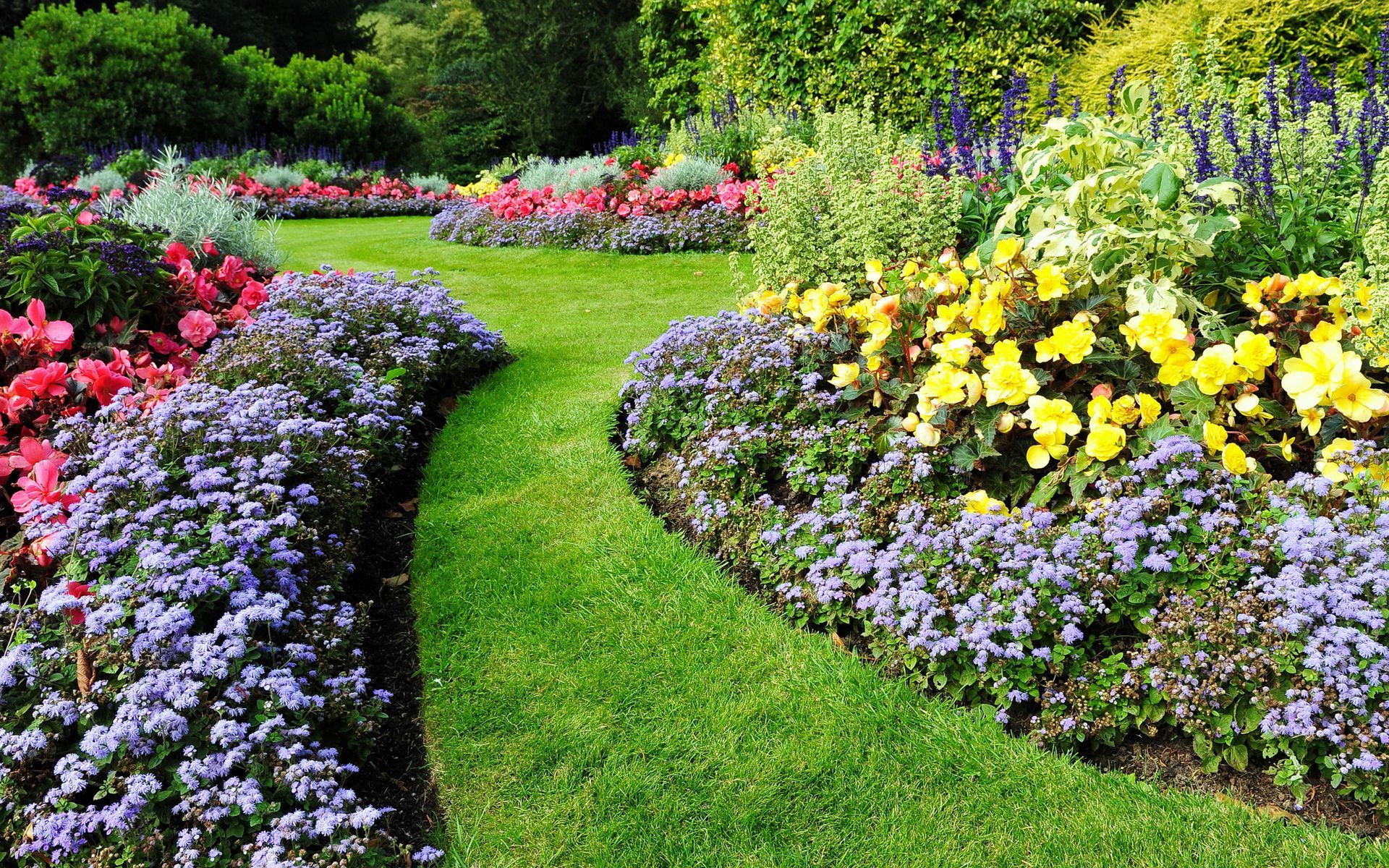
Retaining walls not only protect against soil erosion but also enhance landscape aesthetics, adding character and depth to outdoor spaces. The strategic use of these walls allows for the creation of terraces, garden beds, and seating areas, which can transform steep, unusable slopes into functional amenities. By incorporating diverse materials and designs, retaining walls contribute both visually and practically to property development. They also act as windbreaks, providing shelter for plants and reducing the impact of strong winds on vulnerable soil surfaces. Through these multifaceted benefits, retaining walls demonstrate their indispensable role in effective land management and environmental stewardship.
Retaining walls represent a crucial balance between structural engineering and landscape design, effectively transforming unstable, sloped terrain into secure, highly functional, and visually appealing spaces. Whether utilizing gravity walls for minor residential garden beds or engineered cantilever systems for heavy-duty commercial applications, these structures provide essential protection against soil erosion and landslides while optimizing land use.
Investing in top-tier retaining wall services—complete with necessary drainage systems and professional oversight—ensures long-term structural integrity, protects property against natural forces, and adds lasting value to any outdoor environment. Call A Superior Design Co today for more information on our expert retaining wall services.